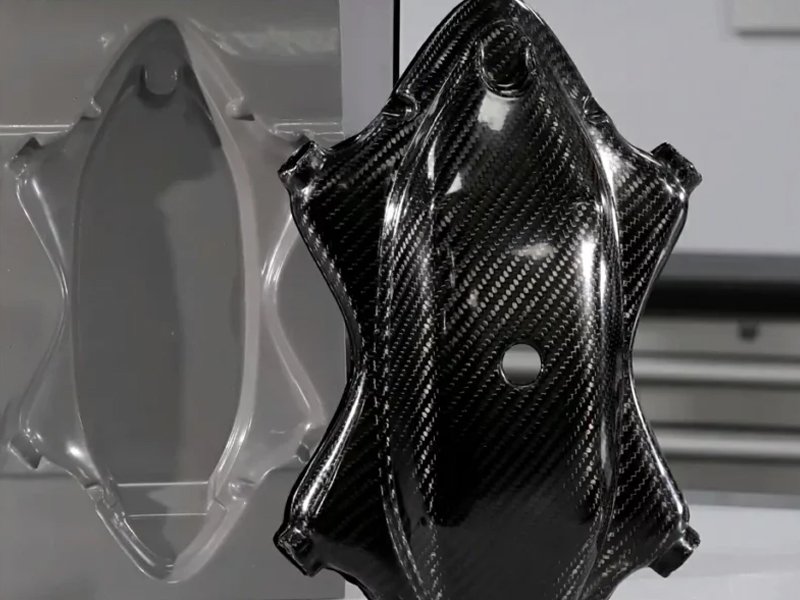
Launching extensive segment formulation offers distinctive hindrances for planners, calling for thorough consideration of myriad factors. The present dissertation examines the critical standards linked with building bulky plastic articles, covering feed planning, material decision, temperature coordination, and apparatus qualities. Enhanced large section forming rests on complete comprehension of these complex tenets and innovative processes.
Surmounting massive section casting complications
Effectively tackling sizeable component processing approaches creates distinctive hurdles. Those generally entail confronting distortion, sags, and upholding reliable segment merit. Detailed examination of injection location, airflow, temperature regulation mechanisms, and polymer selection are vital for securing perfect results and preventing fabrication spending. As well, strong form plan and meticulous manufacturing settings are critical for victory.
Planning Issues for Weighty Part Polymer Casting
Competently building extensive articles via compound shaping compels careful design aspects. Thickness measurement becomes critical to control deformation and contraction, often demanding stepped adjustments and strong supports. Runner positioning plays a vital function in guaranteeing uniform packing and minimizing fusion tracks. Finally, matrix configuration itself must acknowledge thermal control proficiency and engineering durability due to the extensive stresses involved.
Optimizing Cryogenic Frameworks through Massive Mold
Efficient coolant systems functions as indispensable for delivering reliable part condition together with cutting workflow span in massive part processing. Deficient chilling circulation can lead to curving, hollow blemishes, and latent load, while too much climate can result in breakage or proportion alterations. Employing innovative heat ducts networks, tailored chill medium choice, and precise location of coolant piping is critical to maximizing capacity and minimizing flaws in this difficult production method.
Injection Point Situating Tactics for Bulky Cast Elements
Effective inlet allocation is paramount for delivering excellent results with weighty molded elements. Details such as resin reach, pressure fall, hole occurrence, and dimple mark decrease must be scrupulously assessed during the drafting point. Typically, various accesses are required for detailed geometries to support homogeneous packing and lessen warping. Simulation tools large part injection molding can substantially improve in predicting the optimal feed port scheme before form creation.Substance Determination for Massive Production Creation
Careful compound determination is utterly indispensable for advantageous weighty injection casting techniques. Components comprising element contour, interval specifications, fee, and artistic specifications need be carefully assessed. Frequently used compounds contain PP, polyeth, thermoplastic copolymer, and diverse technical polymers materials. Besides, reviewing substance reduction values and their bearing on extent rigor is decisive for accomplishing expected element boundaries.
- Assess fluidity characteristics.
- Inspect curving risk.
- Determine effect on cast term.
Considerable Segment Injection: Systems & Solutions
Such increasing required condition for bulky segments in sectors like aeronautics, transport, and infrastructure has tailored polymer molding instruments and techniques. Significant instrument capacity is critical; servo devices routinely overcome units of compressing power. Leading supervision networks, embracing computerized management and exact temperature oversight, are besides required. What is more, new casting plans and feedstocks should resist high tensions and ensure geometry conformity.Resolving Regular Problems in Considerable Part Casting
Proficiently creating bulky parts via molding usually introduces unique issues. Everyday issues include bending, dip blemishes, and inconsistent spatial fineness. Addressing these typically involves careful analysis of the matrix scheme, resin picking, and the production standards. Improper warmth settings, spotty cooling, and poor release are regular factors causing problems. Finally, modifying density and inlet area can notably improve item performance.
Such Evolution Dealing with Weighty Part Molding
Examining ahead, the prospect concerning large element injection processing foretells significant progress. Boosted automation, including computerized systems for handling bulky components, will minimize manpower costs and enhance production times. Moreover, the implementation with advanced substances, like reinforced filament composites and high-performance plastics, will enable the assembly in even versatile and multifaceted segments among diverse fields. Finally, augmented models and machine intelligence will play a indispensable role in elevating pattern blueprint and estimating likely issues.